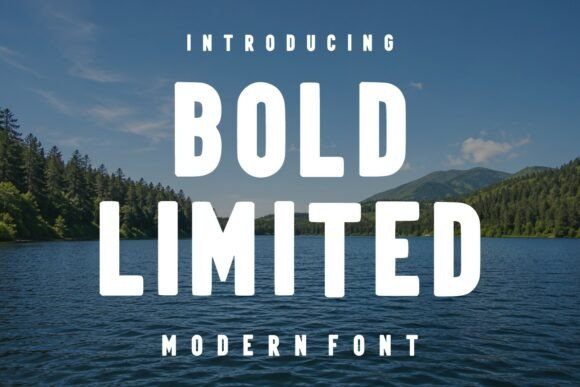
Blue Block Typeface Review: A Retro Gaming Font for Bold Branding
I was staring at a blank Canva canvas, trying to design a sticker sheet for my new line of retro-themed candle labels. I needed something that felt nostalgic but didn’t look cheap or overused. That’s when I pulled up Blue Block. Like 80s old gaming, Blue Block is amusing and simple, capturing that specific pixelated charm without the jagged edges that often plague lower-quality retro fonts. It shows off its sturdy appearance and stands strong for a great heading, which immediately caught my eye as I mocked up a label for a "Midnight Berry" soy candle.
As a maker who sells digital downloads and physical printables, I don’t just pick fonts because they look cool; I pick them because they work in production. This Sans Serif typeface has a distinct personality. It is playful yet grounded. In this review, I’ll walk you through how Blue Block performed when I tested it on real product materials, from vinyl cuts for tote bags to high-resolution PDFs for printable wall art. If you are looking for Fonts that bring joy and boldness to your shop, this one deserves a closer look.
Why Blue Block Works for Joyful and Bold Brand Identity
The first thing you notice about Blue Block is its mood. This typeface is appropriate for brands that are joyful, bold, and happy. When I applied it to a boutique packaging tag, the letters didn’t just sit there; they popped with energy. Unlike many display fonts that feel rigid or overly corporate, Blue Block feels approachable. It has a chunky, blocky structure that commands attention, making it an excellent choice for logo design where you need instant recognition.
In the world of handmade goods, your brand identity is everything. Customers scroll quickly, and you have less than a second to grab their attention. Using a creative font like Blue Block signals to your audience that your products are fun, energetic, and thoughtfully designed. I used it for the main title on a set of wedding welcome boards, and the sturdy appearance ensured that even from a distance, the text was legible and impactful. It bridges the gap between modern typography and vintage nostalgia, allowing you to create a unique visual language for your small business.
Testing Blue Block on Candle Labels and Product Tags
One of my most frequent use cases is designing labels for candles and bath bombs. These items require clear hierarchy: the scent name needs to be big and bold, while the ingredients list needs to be tiny and readable. I tested Blue Block for the primary scent names on my candle jars. The font’s weight held up beautifully against minimalist backgrounds. Whether I paired it with a soft pastel color or a deep jewel tone, the Blue Block letters remained crisp.
However, I learned quickly that this Sans Serif font is best reserved for short phrases, names, titles, and decorative wording. I attempted to use it for the entire front label, including the net weight and volume, and it looked cluttered. The character width of Blue Block is generous, so long strings of text can take up too much space on a small sticker. For those details, I switched to a clean sans serif font for readability. But for the main product name? Blue Block was perfect. It gave my labels a premium, curated feel that elevated the perceived quality of the product.
Blue Block for Digital Downloads and Printable Wall Art
As a creator of digital assets, I spend a lot of time thinking about how fonts render on screens and in print. Blue Block translates exceptionally well to both mediums. I created a set of motivational quote prints using this typeface for an Etsy listing. The bold, blocky shapes made the quotes feel like affirmations—strong and undeniable. Because it is a Sans Serif font, it lacks the decorative flourishes of script or handwritten fonts, which means it remains highly legible even when scaled down in thumbnail previews.
This legibility is crucial for online sellers. When customers browse your shop, they see small versions of your designs. A font that loses its shape at low resolutions can make a design look amateurish. Blue Block maintains its integrity. I also used it for planner pages, specifically for the monthly headers. The sturdy appearance provided a nice contrast to the fine lines of the calendar grid. It helped organize the page visually without overwhelming the user. For anyone selling digital templates, using a font that looks good in both preview images and final downloads is a major selling point.
Pairing Blue Block with Script and Handwritten Fonts
No designer works in isolation, and Blue Block shines when paired correctly. To balance its blocky, masculine energy, I found that pairing it with a delicate script font creates a beautiful contrast. I used this technique for a set of birthday invitations. The header said "Happy Birthday" in Blue Block, bold and centered, while the details below were written in a flowing, elegant script. This combination of styles added sophistication to the playful nature of the main title.
For more rustic or farmhouse-style designs, I paired Blue Block with a simple serif font. This worked wonders for seasonal craft designs, such as autumn harvest signs. The sturdy blocks of Blue Block grounded the design, while the serif font added a touch of traditional warmth. When choosing font pairings, always consider the emotional appeal you want to convey. Blue Block brings excitement and nostalgia, so let other fonts provide stability or elegance. Always check included styles, alternates, ligatures, swashes, weights, file formats, multilingual support, and commercial font licensing before selling physical products, templates, printables, SVG-style designs, merchandise, or digital downloads to ensure you have all the tools you need for versatile design projects.
Production Realities: Cutting Machines and Physical Merchandise
If you are a Cricut or Silhouette user, you know that not all fonts cut cleanly. Thin lines can break, and complex curves can get messy. I tested Blue Block by sending files to my cutting machine to make vinyl decals for mugs and shirts. The result was impressive. The thick strokes of the font meant fewer points to cut, which reduced the risk of weeding errors. The sturdy appearance translated into durable physical products. Even after washing a t-shirt with the decal, the letters held their shape without peeling at the edges.
I also tried using it for small stickers. Here, caution is advised. While Blue Block is legible, its blocky nature means that very tiny cuts might lose detail if the material is thin or if the printer resolution isn’t high enough. For small product tags or jewelry hangtags, I recommend keeping the text size large. If you need dense label information or technical product instructions, Blue Block is likely not suitable. In those cases, stick to a standard sans serif font. But for eye-catching signage, social media graphics, and web design headers, Blue Block is a powerhouse.
Elevating Shop Listings and Social Media Graphics
Finally, let’s talk about presentation. Your shop listings are your virtual storefront. Using Blue Block in your listing images can instantly communicate the vibe of your brand. I updated my banner and some of my mockup previews with this font. The change was subtle but effective. It made my shop look more cohesive and professional. The "amusing and simple" nature of the font invites customers in, making them feel relaxed and interested in exploring your collection.
When designing for social media, especially Instagram or Pinterest, you want text that stops the scroll. Blue Block’s bold presence does exactly that. I used it for promotional graphics announcing new drops. The font’s retro gaming aesthetic resonated well with my target audience, creating a sense of community and shared nostalgia. By integrating Blue Block into your design assets, you are not just adding text; you are adding a layer of brand personality that connects emotionally with your buyers. It is a smart investment for any maker looking to stand out in a crowded marketplace.