The Rokvella: An Editorial Serif for Luxurious Brand Identities
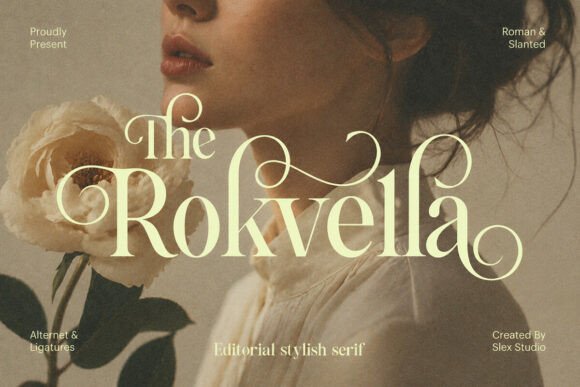
I was staring at a blank Figma file, trying to crack the visual code for a new artisanal skincare line. The brief called for something that felt expensive but approachable, elegant but not cold. I had tried several modern sans serifs, but they felt too clinical. Then I pulled up The Rokvella. It wasn’t just another serif; it was an editorial-style serif font that blends classic elegance, femininity, and artistic sophistication into a luxurious visual identity. From the moment I dropped it onto the mockup, the entire mood of the project shifted. The delicate letterforms feature thin strokes and dramatic contrast, creating a sense of movement and grace that immediately elevated the design.
In this post, I want to walk you through how I integrated The Rokvella into a real-world branding project, from the initial concept sketches to the final packaging files. If you are a graphic designer looking to add a touch of high-end editorial flair to your client’s brand identity, this is exactly the kind of practical insight I hope to share.
The Rokvella as a Headline Font for Skincare Packaging
When designing product labels, space is often at a premium, yet the need for impact is higher than ever. Using The Rokvella in its largest weights allowed me to create a focal point that demanded attention without shouting. The font’s inherent luxury made it perfect for the primary product name on the jar label. Because it is a serif typeface with such refined proportions, it naturally draws the eye upward, mimicking the verticality of a magazine cover.
I tested the font against various background colors—soft creams, muted terracottas, and deep charcoal—and it performed exceptionally well across the board. The thin strokes provided a delicate counterpoint to the bold weight, ensuring legibility even at smaller sizes when used for secondary information like ingredients or volume. This versatility is crucial for packaging design, where a single font might need to carry both the brand name and functional details. By relying on The Rokvella, I maintained a cohesive visual language that felt intentional and curated, rather than assembled.
Building a Cohesive Brand Identity with The Rokvella
A strong brand identity relies on consistency, and typography is the backbone of that consistency. For this project, I established The Rokvella as the primary display font, using it for headlines, pull quotes, and key messaging elements. Its editorial nature meant that it could seamlessly transition from a physical business card to a digital Instagram post without losing its character.
I paired The Rokvella with a clean, neutral sans serif font for body copy. This combination created a beautiful hierarchy: the serif font communicated style and personality, while the sans serif ensured readability and clarity. This pairing strategy is one of my go-to methods when working with creative fonts that have strong personalities. The contrast between the two typefaces highlighted the unique features of The Rokvella, allowing its delicate letterforms to shine without overwhelming the viewer. In terms of brand perception, this mix of sophisticated serif and utilitarian sans serif signaled that the brand was both artistic and trustworthy.
The Rokvella for Social Media Graphics and Digital Templates
Digital platforms present different challenges than print, particularly regarding screen resolution and varying aspect ratios. When adapting The Rokvella for social media graphics, I found that it excelled in square formats and stories. The dramatic contrast of the letters worked beautifully against solid color backgrounds, creating instant visual interest in a crowded feed.
I also experimented with using the font for text overlays on photography. Because The Rokvella has such distinct character, it added an editorial edge to simple lifestyle shots. Whether it was a quote about self-care or a promotional announcement, the font lent an air of authority and elegance to the content. This is particularly useful for content creators and marketers who want to elevate their aesthetic without investing in complex graphic designs. The ability to use The Rokvella as a versatile tool for both static posts and story templates streamlined my workflow significantly.
Editorial Design and Long-Form Content with The Rokvella
While The Rokvella is primarily a display font, its readability in short bursts makes it suitable for certain types of editorial design. I used it for section headers in a digital lookbook that accompanied the product launch. The font’s artistic sophistication helped break up large blocks of text, guiding the reader through the narrative with grace.
For long-form content, however, I would not recommend using The Rokvella as the primary body text. Its thin strokes can become difficult to read at small sizes on low-resolution screens. Instead, I treated it as an accent font, using it sparingly to highlight key phrases or chapter titles. This approach preserved the font’s impact and prevented visual fatigue. As designers, we must be mindful of accessibility and readability, and knowing when *not* to use a decorative serif is just as important as knowing when to use it.
The Rokvella for Wedding Invitations and Elegant Stationery
Beyond commercial branding, The Rokvella’s feminine and luxurious qualities make it an excellent choice for wedding invitations and high-end stationery. I recently explored a personal project involving a wedding suite, and the font’s delicate curves and classic elegance were a perfect match for the theme. The dramatic contrast added a touch of drama to the invitation layout, making it feel like a piece of art rather than just information.
When designing for weddings, couples often look for fonts that reflect their personal style. The Rokvella offers a blend of tradition and modernity that appeals to a wide range of tastes. Its ability to convey sophistication without being overly ornate makes it a safe yet striking choice for event planners and stationery designers. Testing the font in gold foil simulations on dark paper mockups revealed its potential to create truly memorable tactile experiences.
Practical Tips for Testing and Implementing The Rokvella
If you are considering adding The Rokvella to your design toolkit, I recommend starting with a few quick tests before committing to a full brand system. First, check the included styles, alternates, and ligatures. Many premium fonts offer special characters or stylistic sets that can enhance your designs. Look for any multilingual support if your clients operate in international markets.
Next, test the font in various contexts. Create a logo draft, a business card, and a social media post. Observe how the font interacts with other elements like icons, images, and whitespace. Pay attention to how the thin strokes render at different sizes. Does it hold up in black and white? How does it look when printed versus displayed on screen?
Finally, review the commercial font licensing terms. Ensure that your intended use cases—whether for client work, merchandise, or digital products—are covered by the license. Investing in a high-quality serif font like The Rokvella is an investment in the perceived value of your design work. It signals professionalism and attention to detail, qualities that clients and audiences appreciate.
In conclusion, The Rokvella is more than just a typeface; it is a design asset that can transform ordinary layouts into extraordinary visual statements. By understanding its strengths and limitations, you can leverage its classic elegance and artistic sophistication to create brands that resonate deeply with their audiences. Whether you are working on a boutique skincare line, a wedding invitation suite, or a creative studio portfolio, The Rokvella offers the perfect blend of form and function to elevate your projects.