Pog Luck: Gaming-Style Color Fonts for High-Impact Web Design
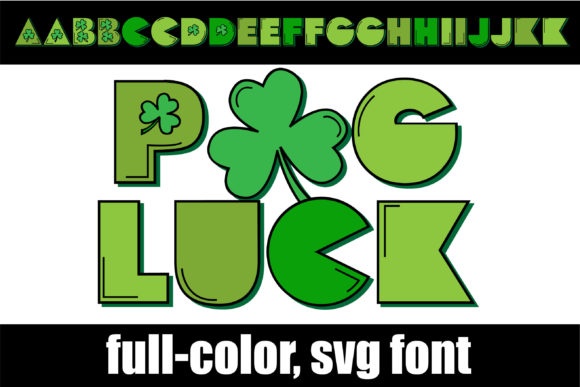
When you are building a digital product that needs to stop the scroll, standard monochrome typography often falls flat. Pog Luck is not just another decorative typeface; it is a full-color font designed with gaming-style lettering that incorporates highlights, shadows, and shamrocks directly into the glyph structure. For web designers and UI creators, this means you can inject personality and visual hierarchy without relying on complex CSS filters or layered graphic elements. As an OpenType full-color SVG font, Pog Luck installs like any normal .otf font, making it an accessible yet powerful tool for modern digital interfaces.
Installing Pog Luck as OpenType Full-Color SVG Fonts
The technical implementation of Pog Luck is streamlined to fit seamlessly into your existing workflow. Unlike traditional color fonts that require specific webfont formats (like WOFF2-COLR) which may have inconsistent browser support, these Fonts are installed via Fo (Font Book on macOS or standard system installation on Windows). This ensures that when you select Pog Luck in your design software—whether it’s Figma, Sketch, Adobe XD, or a CMS editor—the rich colors, gradients, and embedded shadows render instantly. For web designers, this simplicity is crucial. You do not need to build custom SVG paths for every headline. Instead, you treat Pog Luck like a standard variable font, but with the added dimension of intrinsic color and shading. This reduces development time while ensuring that the visual fidelity remains high across different editing environments before you even deploy to the live site.
Using Pog Luck for Hero Sections and Landing Page Headers
In the realm of conversion-focused layouts, the hero section is your first impression. A generic sans serif might be clean, but it rarely excites. Pog Luck brings a playful, energetic tone that is perfect for gaming communities, esports brands, or creative agencies looking to stand out. The gaming-style lettering provides immediate context to the visitor. When used for website headers, the embedded highlights and shadows create depth, making the text pop against both light and dark backgrounds. This intrinsic 3D effect supports visual hierarchy by drawing the eye immediately to the main value proposition. For example, if you are designing a landing page for a new mobile game or a limited-edition drop, using Pog Luck for the primary H1 tag establishes a brand tone that is bold, fun, and immersive. It signals to the user that they are entering a space of entertainment and engagement, rather than a static corporate brochure.
Enhancing Digital Readability with Embedded Shadows
One of the biggest challenges in web design is maintaining readability while experimenting with display fonts. Traditional colored text can suffer from low contrast issues, especially on image overlays or busy backgrounds. Pog Luck solves this by including shadows within the font file itself. These shadows act as a natural stroke, improving legibility without requiring additional CSS text-shadow properties that can sometimes cause rendering artifacts on different devices. This feature is particularly useful for online store banners and promotional graphics where text must remain clear over vibrant product images. However, as a digital product creator, you must still apply best practices. While the font handles some contrast automatically, placing Pog Luck on a busy background can still hinder scanning behavior. Use it for short phrases, headlines, and call-to-action areas where impact matters more than paragraph-length reading. The font’s weight and color density work best when given ample whitespace, allowing the intricate details of the letterforms to breathe.
Pog Luck for Brand-Focused Web Experiences and Social Media
Consistency is key to building a recognizable online identity. Pog Luck allows you to extend a cohesive aesthetic from your desktop designs to social media graphics and digital ads. Because it is a Color Font, the visual style translates perfectly across platforms. If you are creating content sections for a blog or a course sales page, using Pog Luck for subheadings or pull quotes can break up dense text and guide the reader through the narrative. It adds a layer of professionalism mixed with creativity, which is ideal for SaaS founders targeting younger demographics or creative entrepreneurs selling digital templates. The shamrock accents and vibrant highlights can subtly reinforce themes of luck, growth, or Irish heritage if relevant to your niche, but generally, they serve to add a unique "premium" feel to your design assets. By using this font consistently, you create a memorable brand voice that feels distinct from competitors who rely solely on standard system fonts.
Font Pairing Strategies for Modern Typography
No single font can do everything. To maximize the effectiveness of Pog Luck, it should be paired with a neutral, highly readable typeface for body copy. Since Pog Luck is a decorative display font, pairing it with a simple sans serif font for paragraphs ensures that users can read detailed information without eye strain. For instance, you might use Pog Luck for all H2 and H3 headings on a portfolio site, while using a clean geometric sans serif for the bio text and project descriptions. This contrast creates a balanced layout rhythm. The playful nature of Pog Luck is grounded by the stability of the body font, resulting in a design that feels both exciting and trustworthy. Avoid pairing it with other script fonts or handwritten fonts, as the complexity of the highlights and shadows will compete for attention, leading to visual clutter. Stick to minimalist typefaces that allow Pog Luck to shine as the focal point.
Practical Applications for Online Stores and Digital Products
The versatility of Pog Luck extends beyond pure branding into functional e-commerce elements. Consider using it for sale badges, "New Arrival" tags, or special offer banners on your online store. The gaming-style aesthetic resonates well with audiences interested in tech, gadgets, and interactive products. For bloggers and marketers, Pog Luck can transform mundane category labels into engaging navigation elements. Imagine a "Shop Now" button or a "Get Started" link styled with Pog Luck; the embedded colors and shadows make the button appear tactile and clickable, potentially increasing click-through rates. Additionally, for course pages and coaching websites, the font can highlight key takeaways or module titles, making the curriculum look dynamic and updated. The key is to use it sparingly for emphasis. Overusing a heavy, colorful font can dilute its impact and make the site feel chaotic. Reserve Pog Luck for moments where you want to capture attention and convey energy.
Licensing and Commercial Use for Web Designers
Before deploying Pog Luck on client projects or personal sites, always review the commercial font licensing terms. Most premium fonts come with specific allowances for web usage, print, and digital distribution. Understanding whether the license covers unlimited page views or restricts the number of domains is essential for compliance. As a professional designer, ensuring you have the correct rights protects your business and respects the creator’s intellectual property. Pog Luck, being a specialized Color Font, may have different licensing structures compared to standard black-and-white typefaces. Check if the license includes embedding for PDFs or if there are restrictions on modifying the color layers. Proper licensing ensures that your brand-focused web experiences are built on a solid legal foundation, allowing you to focus on design excellence without worrying about copyright infringement.