Peppy Candy Font Review: A Sweet Script for Editorial Design
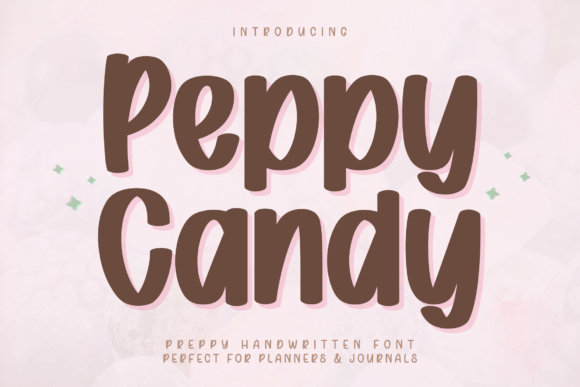
I remember the exact moment I realized my lifestyle blog needed a visual overhaul. The content was solid, but the typography felt sterile—like a corporate memo dressed up in pastel colors. I was redesigning the header and pull quotes for a new digital magazine layout, and every standard serif or sans-serif option felt too rigid. That was when I discovered Peppy Candy, a cute and playful handwritten font designed to bring a sweet and energetic preppy vibe to your creative projects. With its smooth curves and rounded letterforms, this font creates a friendly, approachable atmosphere that instantly elevates the mood of any page.
As an editorial designer, I am always looking for typefaces that balance personality with purpose. Fonts are not just about readability; they are the voice of your publication before the reader even processes the words. In this review, I will explore how Peppy Candy fits into modern publishing workflows, from newsletter graphics to printable planners, and whether it holds up under the scrutiny of real-world design constraints.
Peppy Candy for Lifestyle Blog Headers and Digital Magazines
When designing for digital platforms, first impressions are everything. Peppy Candy excels as a display font for high-visibility areas where you want to capture attention without shouting. Its script handwritten style offers a distinct rhythm that breaks the monotony of grid-based layouts. I tested this typeface on a recent project involving a weekend newsletter graphic, and the results were immediate. The rounded letterforms softened the overall aesthetic, making the email feel like a personal note from a friend rather than a mass broadcast.
This font is particularly effective for blog headers, article titles, and chapter openers. Because it carries such a strong character, it works best when given ample white space. In a digital magazine layout, using Peppy Candy for section headings helps guide the eye through the content structure. It signals a shift in topic while maintaining a cohesive brand identity. However, because of its expressive nature, it should be used sparingly. Let the font shine in the headlines, and let neutral typefaces handle the heavy lifting of information delivery.
Peppy Candy in Printable Planners and Coaching Workbooks
The rise of digital products has created a massive demand for fonts that feel both professional and personal. For creators selling printable planners, coaching workbooks, or course PDFs, establishing trust and warmth is crucial. Peppy Candy brings a "preppy" energy that resonates well with audiences interested in organization, wellness, and self-improvement. The font’s smooth curves suggest ease and accessibility, which aligns perfectly with the promise of a streamlined planning experience.
In my testing of a multi-page workbook, I found that Peppy Candy worked beautifully for cover text, worksheet titles, and motivational pull quotes. The handwritten aesthetic adds a human touch that generic clip art cannot replicate. It makes the user feel like the content was crafted specifically for them. When paired with a clean sans serif font for instructional text, the hierarchy becomes clear: the script font invites engagement, while the body copy ensures comprehension. This combination is essential for maintaining readability in dense educational materials.
Readability Considerations for Screen and Print
While Peppy Candy is undeniably charming, understanding its limitations is key to successful implementation. As a decorative script font, it is not suitable for body copy, small captions, or long-form paragraphs. Trying to read extended text in this style can cause eye strain and reduce retention rates. Instead, view it as a premium font for accentuating specific elements of your design.
For screen reading, especially on mobile devices, legibility can vary depending on the size of the viewport. I recommend keeping Peppy Candy at sizes no smaller than 24px for web use to ensure the details of the curves remain visible. In print materials, such as wedding guides or recipe ebooks, the font reproduces beautifully on high-quality paper stocks. The ink fills the rounded shapes nicely, creating a tactile sense of quality. Always export your designs in high-resolution formats to preserve the integrity of the letterforms.
Strategic Font Pairing for Editorial Consistency
No typeface exists in isolation. To maximize the impact of Peppy Candy, you need complementary fonts that ground its playful energy. The most effective pairing strategy involves contrasting the script with a stable, neutral base. For editorial design, I often pair Peppy Candy with a classic serif font for body text. The elegance of the serif balances the whimsy of the script, creating a sophisticated yet inviting look.
Alternatively, for more modern or minimalist projects, a geometric sans serif font works wonders. This combination is ideal for social media graphics, Instagram stories, and logo design accents. The clean lines of the sans serif provide a structural frame that allows Peppy Candy to pop. When building a brand identity, consistency is maintained by limiting your palette to these two types. Use Peppy Candy for emotional hooks and headlines, and reserve the neutral font for data, navigation, and detailed explanations. This approach ensures that your publication remains readable while retaining a unique visual signature.
Practical Licensing and File Format Checks
Before integrating Peppy Candy into commercial projects, it is vital to review the licensing terms. Many creative font licenses distinguish between personal use and commercial use. If you are designing templates for sale, creating paid newsletters, or working with client publications, you must ensure you have the appropriate commercial license. This protects you from legal issues and supports the type designer.
Additionally, check the included file formats. Most modern fonts come in .OTF and .TTF variants, along with web font formats like .WOFF2 if available. Verify if the package includes alternate characters, ligatures, or special glyphs that might enhance your design flexibility. Some script fonts offer swash alternatives that add extra flair to initials or decorative elements. Ensuring you have access to all assets allows you to create more dynamic and polished layouts. By doing your due diligence on technical specifications and legal permissions, you can confidently use Peppy Candy to elevate your creative output.