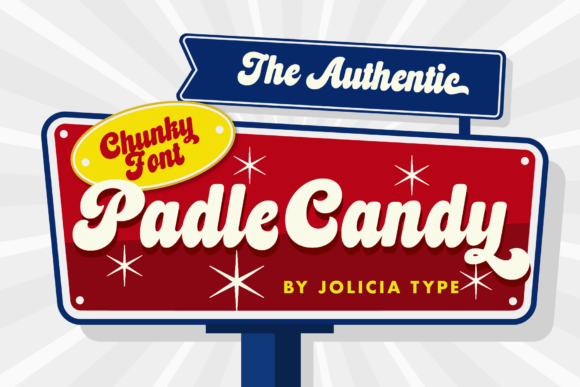
Padle Candy: A Playful Script Handwritten Font for Cheerful Branding
I remember staring at a blank Figma file, the cursor blinking mockingly, while trying to nail the visual identity for a new artisanal confectionery brand. The client wanted something that screamed "sweet" without looking childish or overly generic. They needed personality, bounce, and a touch of nostalgia. That was the moment I decided to test Padle Candy, a playful chunky script font bursting with sweet personality and cheerful energy. Designed with bold curves, bouncy letterforms, and a soft handwritten flow, this font brings a fun and inviting aesthetic that immediately transformed my sterile wireframes into something alive. It wasn’t just about picking a typeface; it was about finding a voice for the brand, and in this case, that voice was loud, friendly, and undeniably delicious.
Why Padle Candy Works as a Creative Font for Boutique Brand Identity
When you are building a brand identity from scratch, the choice of a primary display font sets the emotional tone for everything that follows. Padle Candy is not your standard corporate sans-serif; it is a Script Handwritten style that demands attention through its structural charm. In my project, the goal was to create a logo that felt approachable yet premium. The thick, rounded strokes of Padle Candy provided excellent weight and presence, ensuring legibility even at smaller sizes on packaging labels. Unlike thinner scripts that can feel fragile or hard to read, the chunky nature of these Fonts offers stability and confidence. This makes it an ideal choice for small business owners who want their name to pop on social media graphics, storefront signage, or product tags without losing that personal, handmade touch.
The visual characteristics of Padle Candy—specifically its soft handwritten flow—allow it to bridge the gap between professional design and organic creativity. When I placed the word "Sweet" in the header of a mockup brochure, the letters seemed to dance across the page. This movement creates a subconscious association with joy and indulgence, which is exactly what a bakery or dessert shop needs to convey. By using this creative font as the cornerstone of the brand system, I established a hierarchy where the brand name became the hero, supported by cleaner, neutral typefaces for body text. This contrast ensures that the brand remains readable and functional while retaining its unique character.
Padle Candy for Packaging Design and Product Labels
Packaging design is one of the most critical touchpoints for consumer engagement, especially in the food and lifestyle sectors. I found that Padle Candy excels in this environment because its bold curves catch the eye amidst cluttered shelves. Whether applied to a jar lid, a candy wrapper, or a gift box, the font’s cheerful energy translates well into physical formats. The key here is scale. Because Padle Candy is designed as a display font, it shines when used large and uncluttered. In my workflow, I tested it on various material simulations, including kraft paper textures and glossy finishes. On matte surfaces, the white negative space within the letters created a beautiful contrast, enhancing readability. For digital assets like e-commerce product images, the font’s distinct shape helps the brand stand out in thumbnail views, increasing click-through rates simply by virtue of its visual uniqueness.
How to Pair Padle Candy with Modern Typography Styles
No single font can carry an entire brand system alone. To make Padle Candy work effectively in a comprehensive branding project, strategic font pairing is essential. The bouncy, informal nature of this Script Handwritten typeface requires a grounding counterpart to maintain balance. In my design process, I paired it with a clean, geometric sans-serif font for informational content such as ingredients, contact details, and marketing copy. This combination creates a harmonious tension: the script provides the emotion and brand personality, while the sans-serif provides clarity and structure. This duality is crucial for maintaining professionalism while still feeling fun and accessible.
For editorial design projects, such as blog posts or magazine features related to the brand, I avoided pairing it with other script fonts. Too many competing handwriting styles can create visual noise and reduce readability. Instead, sticking to a minimalist serif font or a neutral humanist sans-serif allows Padle Candy to remain the focal point. This approach ensures that the brand’s voice remains consistent across all platforms, from Instagram stories to printed flyers. When designing web headers, the pairing strategy holds true; a bold headline in Padle Candy followed by a crisp subhead in a modern typography style guides the user’s eye naturally down the page, improving user experience and engagement.
Padle Candy for Social Media Graphics and Digital Templates
In the age of digital-first marketing, consistency across social media platforms is non-negotiable. I utilized Padle Candy extensively in creating a set of reusable templates for the client’s Instagram and Pinterest accounts. The font’s high visibility means it performs exceptionally well on mobile screens, where users scroll quickly. Its chunky forms ensure that key messages are understood instantly, even without sound or audio context. By incorporating alternate characters and ligatures (if available in the font family), I added subtle variations to the social posts, keeping the feed visually dynamic without breaking the brand guidelines. Using this commercial font for digital assets allowed us to produce high-quality content rapidly, giving the small business owner a polished look that rivals larger competitors.
Practical Considerations for Using Padle Candy in Client Work
Before committing to any typeface for a full brand rollout, thorough testing is vital. With Padle Candy, I always recommend checking the included styles, alternates, and ligatures to maximize versatility. Some script fonts offer multiple versions of certain letters to improve flow and prevent collisions, which is particularly useful in logo design where kerning can be tricky. Additionally, verifying multilingual support is important if the brand plans to expand internationally. Ensuring the file formats are compatible with your preferred software, whether it’s Adobe Illustrator for vector logos or Photoshop for raster effects, saves time during the production phase.
Another practical aspect is licensing. As a designer, it is crucial to understand the scope of the commercial font license. Padle Candy is intended for use in both digital and print media, but specific restrictions may apply to merchandise resale or unlimited distribution. Always review the end-user license agreement to ensure compliance, especially when creating physical products like t-shirts, mugs, or stickers for the client. By respecting these legal boundaries, you protect both yourself and your client from potential copyright issues. Ultimately, investing in a high-quality, well-licensed font like Padle Candy pays off in the longevity and professionalism of the final brand identity, providing a solid foundation for years of creative growth.