Cartoon Strike Typeface: Injecting Action into Digital Layouts
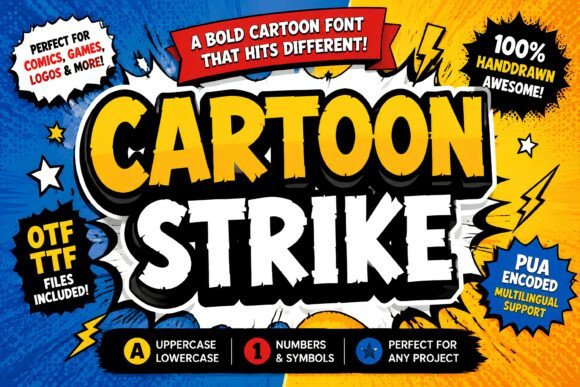
I was staring at a blank hero section on a new landing page for a creative coaching client, feeling the familiar weight of "blank canvas syndrome." The layout was clean, the copy was sharp, but it lacked pulse. It felt static, like a brochure rather than an invitation to action. That’s when I decided to stop playing it safe with standard sans serifs and tested Cartoon Strike. What started as a quick experiment in the design tool turned into a pivotal moment for the project’s visual hierarchy. This 100 hand-drawn display powerhouse captures the explosive energy of bold personality without sacrificing the structural integrity needed for web design.
Why Cartoon Strike Transforms Hero Section Headlines
When you first install Cartoon Strike, its immediate impact is visible in large-scale applications. In my recent project, I placed the font over a vibrant image banner for a boutique online store selling handmade ceramics. The goal was to break through the visual noise and grab attention within the first three seconds of load time. As a Script Handwritten style that leans heavily into bold display characteristics, it does exactly that. Unlike delicate scripts that can get lost on mobile screens or compete with busy background images, this typeface commands space. Its thick strokes and dynamic angles create a sense of movement, making the headline feel alive. For digital product creators looking to elevate their brand identity from corporate to creative, using a font like this in the primary H1 position sets a tone of confidence and fun immediately.
Reading Experience on Mobile Viewports
One of the first things I checked after dropping the font into the hero was its performance on smaller viewports. Many decorative fonts fail here because their intricate details blur or become illegible at smaller sizes. However, the robust nature of Cartoon Strike ensures that even when scaled down for tablet and mobile layouts, the letterforms remain distinct. I found that keeping the line height generous and allowing ample whitespace around the text prevented the "heavy" look of the font from overwhelming the user interface. This balance is crucial for maintaining readability while still delivering that punchy, energetic vibe. If you are designing for users who scroll quickly, having a headline that is instantly readable yet visually arresting helps reduce bounce rates by keeping them engaged with the content.
Using Cartoon Strike for Call-to-Action Buttons and Accents
Beyond the main headline, I experimented with integrating Cartoon Strike into secondary elements like call-to-action (CTA) areas and promotional banners. While it is primarily a display font, using it sparingly for short phrases can add a layer of excitement to interactive elements. For instance, instead of a standard "Buy Now" button, I used the font for a sticky header badge announcing a limited-time offer. The contrast between the playful font and the sleek, minimalist body copy created a delightful visual tension. It signals to the user that this is a special, high-energy part of the experience. When paired with a simple sans serif font for body copy, the Fonts work together to guide the eye effectively. The sans serif handles the detailed information, ensuring clarity, while the cartoon style handles the emotional hook.
Visual Hierarchy and Scanning Behavior
In web design, we often talk about the F-pattern or Z-pattern of scanning. A bold, hand-drawn typeface like Cartoon Strike naturally interrupts these patterns, forcing the user to pause and register the message. I noticed that when I used it for section headings on a course sales page, users lingered longer on those sections compared to those with standard headers. This isn't just about aesthetics; it's about cognitive engagement. The unique shapes of the letters invite closer inspection, which can increase time-on-page metrics. However, caution is key. Overusing such a dominant font can lead to visual fatigue. I restricted its use to headlines, subheads, and key emphasis points, letting the neutral typography do the heavy lifting for paragraphs. This strategic distribution maintains a polished online brand experience without feeling chaotic.
Font Pairing Strategies for Modern Web Projects
Selecting the right companion font is critical when working with a strong character like Cartoon Strike. Because this typeface has so much personality, it needs a quiet partner to provide balance. In my case study, I paired it with a geometric sans serif for body text. This combination works because the geometric shapes of the sans serif echo the rounded terminals and clean lines found in the cartoon font, creating a subtle harmony. Another effective strategy is pairing it with a modern serif font if you want to lean into an editorial or storytelling vibe, perhaps for a blog redesign or a portfolio homepage. The juxtaposition of the playful script against a more traditional serif can create a sophisticated yet approachable aesthetic. When evaluating different Script Handwritten options, always consider how the x-height and stroke width of the secondary font complement the primary display font to ensure consistency across your digital assets.
Technical Considerations for Web Implementation
Before finalizing the design, I had to check the technical specifications of the license and file formats. Not all display fonts are optimized for web use. I verified that Cartoon Strike included WOFF2 formats for fast loading and that the kerning pairs were tight enough to prevent awkward spacing issues in long words. Since I was using it for a commercial client project, confirming the commercial font licensing terms was essential to avoid legal pitfalls. Additionally, I tested the font under different lighting conditions on various devices—dark mode versus light mode—to ensure contrast ratios met accessibility standards. The bold weight of the font performed well on dark backgrounds, providing excellent legibility, whereas lighter weights might have struggled against complex image overlays. These practical checks ensure that the creative vision translates smoothly into a functional, high-performing website.
Building Trust Through Consistent Brand Typography
Typography is one of the strongest indicators of brand trust. A sloppy or inconsistent font choice can make a business look amateurish, while a deliberate choice like Cartoon Strike signals creativity and attention to detail. For entrepreneurs and course creators, establishing a unique voice is paramount. By integrating this bold cartoon font into their logo design, social media graphics, and email newsletters, they create a cohesive brand identity that stands out in crowded marketplaces. It tells the audience that the brand is energetic, authentic, and ready to deliver value. When I reviewed the final mockups for the coaching website, the consistent use of the font across the digital brand kit made the entire package feel professional and unified. It wasn't just a pretty font; it was a strategic asset that enhanced the overall user experience and reinforced the brand's promise of dynamic growth.
Best Practices for Social Media and Digital Ads
The versatility of Cartoon Strike extends beyond the website itself. I applied the same font to the thumbnail designs for YouTube videos and the cover images for Facebook ads related to the project. The bold, hand-drawn style translates exceptionally well to small screens where space is limited. The high contrast and clear letterforms ensure that the message is readable even at thumbnail size. This cross-platform consistency helps in building recognition. When users see the distinctive font in their ad feed, they begin to associate it with the brand before they even click through. For marketers and designers, leveraging a premium font like this in your design assets can significantly improve click-through rates by cutting through the clutter of generic templates. It adds a human touch that algorithmic feeds often lack.
Evaluating Commercial Viability for Creative Businesses
For freelance web designers and agency owners, offering clients access to unique, high-quality typography is a competitive advantage. Instead of relying on free system fonts, suggesting a specialized typeface like Cartoon Strike elevates the perceived value of your work. It shows that you care about the nuances of modern typography and user engagement. When presenting options to clients, explaining how a specific font influences behavior—such as increasing dwell time or improving brand recall—can help justify the investment. The fact that this font is a 100 hand-drawn display powerhouse means it offers a level of customization and uniqueness that vector-based generic fonts cannot match. It brings an organic, artisanal feel to digital spaces, which is increasingly sought after in an era of standardized UI kits. By incorporating such distinctive Fonts into your toolkit, you position yourself as a designer who understands both the art and science of digital communication.